Cart
Your cart is empty
 Fast & Free Shipping
 24/7 Customer Support
 5-Year Limited Warranty
 30-Day Exchange & Returns
Efficiently control humidity, aiding construction and water damage restoration
Learn MoreRegulate moisture, prevent mold, maintain structural integrity in tight spaces
Learn MorePortable, powerful, eliminates toxic wood dust for a dust-free workshop
Learn MoreEnsure proper airflow circulation to prevent moisture buildup
Learn More
Professional moisture control and waterproofing for basements and crawl spaces.

Complete fire damage repair and smoke odor elimination services.

Emergency water removal and restoration services following flooding disasters.

Rapid drying solutions for construction sites to maintain project timelines.


Select Abestorm for worry-free experience with free shipping within the USA and expert guidance.
Compact and portable, our dehumidifiers are designed for easy storage and transport.
Every product features a protective exterior to prevent impact damage and natural wear.
Many of our dehumidifiers are Energy Star and ETL certified, ensuring products that exceed customers' expectations.
Our dehumidifiers are certified for efficiency, safety, and reliability, offering you peace of mind with top performance and energy savings.


Moisture is always an issue in the case of any house. And while you will encounter moisture in older homes, there’s new home moisture as well. It might seem uncomprehensible in the beginning, but the truth is that you will need to keep the moisture levels under control as much as possible. That’s why it makes sense to figure out how to start building moisture control, and doing that accordingly is going to be a crucial aspect. But as expected, it’s totally worth considering, and you will surely appreciate the results. Why new builds often suffer from high humidity? There are many reasons why you encounter high humidity levels in new buildings. For example, there’s moisture in building materials, which might not seem problematic at first, but it does add up. Also, construction workers focus on energy efficiency and modern homes have all kinds of things like weather barriers, air sealing and so on. Those things help save energy, but the downside is that you are trapping humidity inside, which could end up being problematic. Additionally, you could have a HVAC system that’s not yet optimized, and that means the humidity is quite high and it can be rather difficult to keep that under control. Plus, the landscaping and exterior grading could still be settling, in which case water is not draining properly. Needless to say, there can be a whole lot of reasons why you are dealing with moisture problems. Whether it’s a new home or you have post-renovation humidity, clearly you have to tackle those things early on and manage them the best way that you possibly can. How to monitor humidity after construction? The great thing here is that you can indeed monitor humidity after construction with pretty good results. With that being said, there are different methods you can use in here, and you can obtain some excellent results when doing so. Using a digital hygrometer is a good idea, because it can monitor the humidity levels in a variety of places. You can also track the RH levels daily for the first 90 days, as humidity spikes can appear during the night, after rain or when the HVAC unit is out of its regular cycle. Then, there are smart home monitoring solutions that include Wi-Fi humidity sensors. And of course, you can also check for some early warning signs, as even the mild symptoms can indicate humidity problems. Condensation on windows, musty smells, hardwood cupping, peeling paint, creaking, all of those can be inherently important and a thing to consider. Early-stage prevention During the early stages, it can be a very good idea to find effective ways of preventing the moisture buildup, and there are plenty of methods to consider here. A very good option is controlled ventilation, where you can use heat recovery ventilation, energy recovery ventilation or even exhaust fans. Additionally, you can go the accelerated drying route. You can run the HVAC all the time for around 2-3 weeks, and also use portable fans in the closed-off rooms. Plus, keeping the interiors dry to help with air circulation is important. You should also focus on sealing the moisture entry points. These can be gaps around the plumbing penetrations, air leaks near the windows, missing exterior caulking or even slab edges that were not sealed. With that in mind, you can also use vapor barriers as well as good insulation. All these things help immensely, and they will provide a more consistent result, along with extraordinary value every single time. They are great for laundry rooms, bathrooms, crawl spaces or basements as well. Choosing dehumidifiers for post-renovation drying Dehumidifiers are the best option you can use to deal with the post-renovation humidity. As we can imagine, humidity levels can be on the high side, so you must find a way of handling that process and make it as cohesive as it can be. Which is where the need for a good dehumidifier comes into play. In order to find the right dehumidifier, it makes sense to determine the space size and also the moisture load, where possible. You should also consider features like automatic defrost, integrated humidity control, low temperature operation or continual drainage. Needless to say, a high extraction rate is very much necessary here. And of course, it also makes sense to have adequate placement, you should have it 12 inches away from the wall or other obstructions, if possible. Common mistakes A lot of people make mistakes when it comes to humidity in new homes. And these will vary quite a lot, based on the situation at hand. Over-ventilation is an issue, mainly because opening the windows during humid days will bring in even more moisture. Also, undersizing the equipment is also a problem, instead you want to size up, just to be on the safe side as much as possible. Another mistake you can make is to ignore basement moisture, which is going to become quite the issue in the long run. And to that we can also add other mistakes like turning off the HVAC way too soon, not to mention assuming that the moisture will just go away. It doesn’t. It will still be there in the long run and it can lead to mold, blistering paint, damaged floors, warped wood and many other things similar to that. It just makes more sense to approach this with a true focus on quality and avoiding mistakes is always going to make things better than expected. Cost-benefit of proactive moisture management Does it matter if you eliminate new home moisture? Yes, because you can end up saving a lot of money. For example, mold remediation is well over $1500, then we have floor replacement, drywall repairs, cabinet replacement and many others, all of which add up. Preventing these problems by getting a dehumidifier, hygrometer and performing some ventilation upgrades is much cheaper. You will spend around 10 times more for repairs, maybe even more so. That’s why you have to be very careful when it comes to how you manage moisture. Invest in a dehumidifier and the right equipment, as it conveys a much better return on investment!

One of the main challenges that a lot of industrial spaces and workshops have comes in them form of workshop humidity control. Yes, dust and high humidity levels can tend to be very problematic, and something you want to avoid. Not only can they hamper products and items stored inside the warehouse, but they also lead to issues for workers. That’s why you always want to find great strategies to circumvent that, like using an industrial dehumidifier. Why humidity and dust are major issues in workshops? Generally, water and dust tend to be problematic for industrial spaces. Wood absorbs moisture, metal rusts, electronics get damaged, paint and finishes will fail completely if the moisture levels are too high. The same thing can be said when it comes to dust. Usually, dust will lead to respiratory problems, and suspended dust can be combustible, especially in the case of woodworking. If the company uses sensors or calibration tools, their accuracy will be affected by dust. In general, you want to keep dust and humidity levels in a workshop at a low level, where possible. That can circumvent issues, and provide better overall results. Effects on materials, tools, and worker health Will dust and humidity bring worker health issues? Of course, because excess humidity always leads to fatigue, discomfort and respiratory problems. Not only that, tools that are electronic in nature will stop working most of the time. And to make things even worse, metal components can get corroded, which is the last thing you want. Even lubricants will break down faster if the environment they are in is very humid.Plus, if the space has wood, those wooden products will distort, contract or expand, depending on the situation at hand. And the same thing is valid when it comes to dealing with surface cracking or grain problems. Even the colors won’t be absorbed properly most of the time. You need to find a way of addressing this problem, otherwise you will encounter a variety of challenges that are very hard to face. Integrating dust collectors and dehumidifiers for balanced air quality What you want to do when you have an industrial environment with high humidity levels and dust is to use dehumidifiers and dust collectors. The role of a dust collector is to capture airborne particles via filters, ducts or hoods. And then you have the industrial dehumidifier that will remove moisture from the ambient air. Both of them are ideal if you want to get rid of unwanted dust particles and high humidity, so keep that in mind.Of course, you do need to think of other things as well, including: Separate the high moisture zones when you can, so you can have better control over humidity levels Additionally, it makes sense to coordinate the ventilation rates in order to balance pressure Design the ducting system in such a way that the clean/dehumidified air circulates across all areas in a uniform manner. Installing HEPA stages and pre-filters is always going to help trap fine dust, something that’s extremely useful. Practical layout ideas When it comes to ducting, try to use the shortest path principle, since the longer the ducts are, the more obstructions and issues arise. Calculate the static pressure and focus on branch balancing where you can, as it will help you quite a lot. Go with a multi-stage filter setup too. You should have a coarse pre-filter, a fine filter and a HEPA or even a cartridge filter. As for the dehumidifier, it makes sense to place it in a central spot and you can use ducted industrial solutions if you have a large facility. For those cases when we talk about a localized workshop, using a portable unit can actually help, and it could improve the experience. Maintenance and safety best practices You should make sure that you keep the humidity and dust levels under control. Here are some ideas: If you use a dust system, try to empty the collection bins every day and inspect the ducts/joints every month. Replacing the filters or at least cleaning them is also of pivotal importance. And yes, ground all the metal ducting, as it will allow you to prevent any explosion and static discharge, which could become an issue later on. For dehumidifiers, you want to clean the filters and condenser coils every month. You also want to check the drainage systems and inspect gaskets/seals where possible, so there are no air leaks. And of course, you do want to schedule the calibration of humidistats where you can, so the readings can stay accurate. Lastly, make sure that you keep the health and safety compliance. Ensure that all the fire suppression systems are functional, stick with the OSHA dust exposure limits, and use PPE equipment where possible, to limit any side effects or downsides. Cost-saving and energy-efficient strategies There are also a few other things that you can do to save money and lower energy costs. For example, you want to clean filters and lubricants, along with having smart humidity control. Using variable speed drives will also help quite a lot, and it does help to have heat recovery, along with good air recirculation. All of that stuff is super important, and it will affect the overall costs. Plus, even simple things like the equipment selection or using renewable energy, those can end up making a huge difference in the long run. Conclusion We believe it’s a very good idea to try and keep humidity and dust levels as low as possible in industrial environments. These tips and ideas shown above will always be useful, especially in these very specific situations. Once you start implementing such solutions, it will be not only easier to manage, but you can also avoid a lot of challenges and potential issues. Once you handle that appropriately, it will bring in a much better experience. Plus, you do want to keep the equipment and people safe, and this is the right approach!
Abestorm provides custom dehumidifier solutions for moisture, mold, and air quality.









Shantell
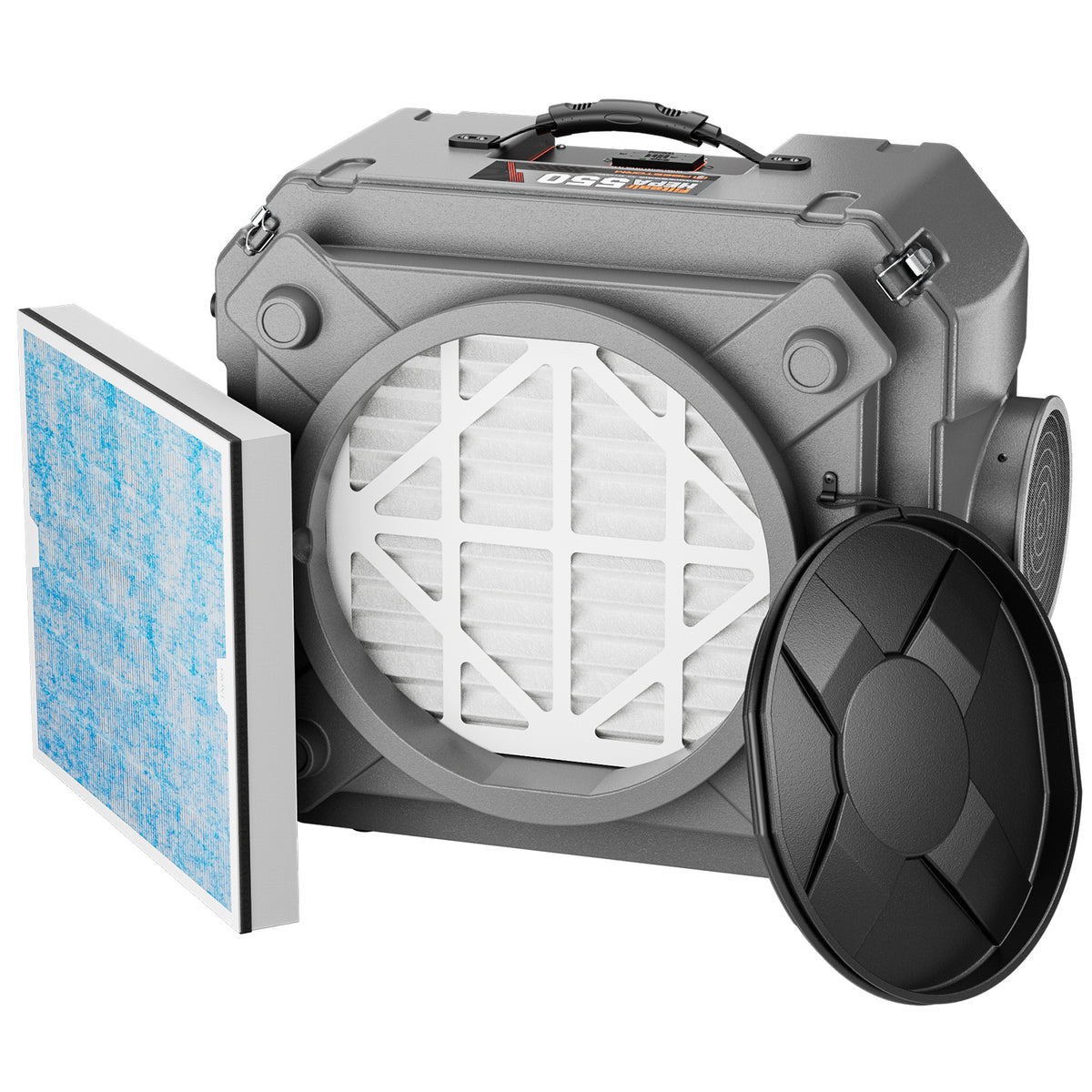
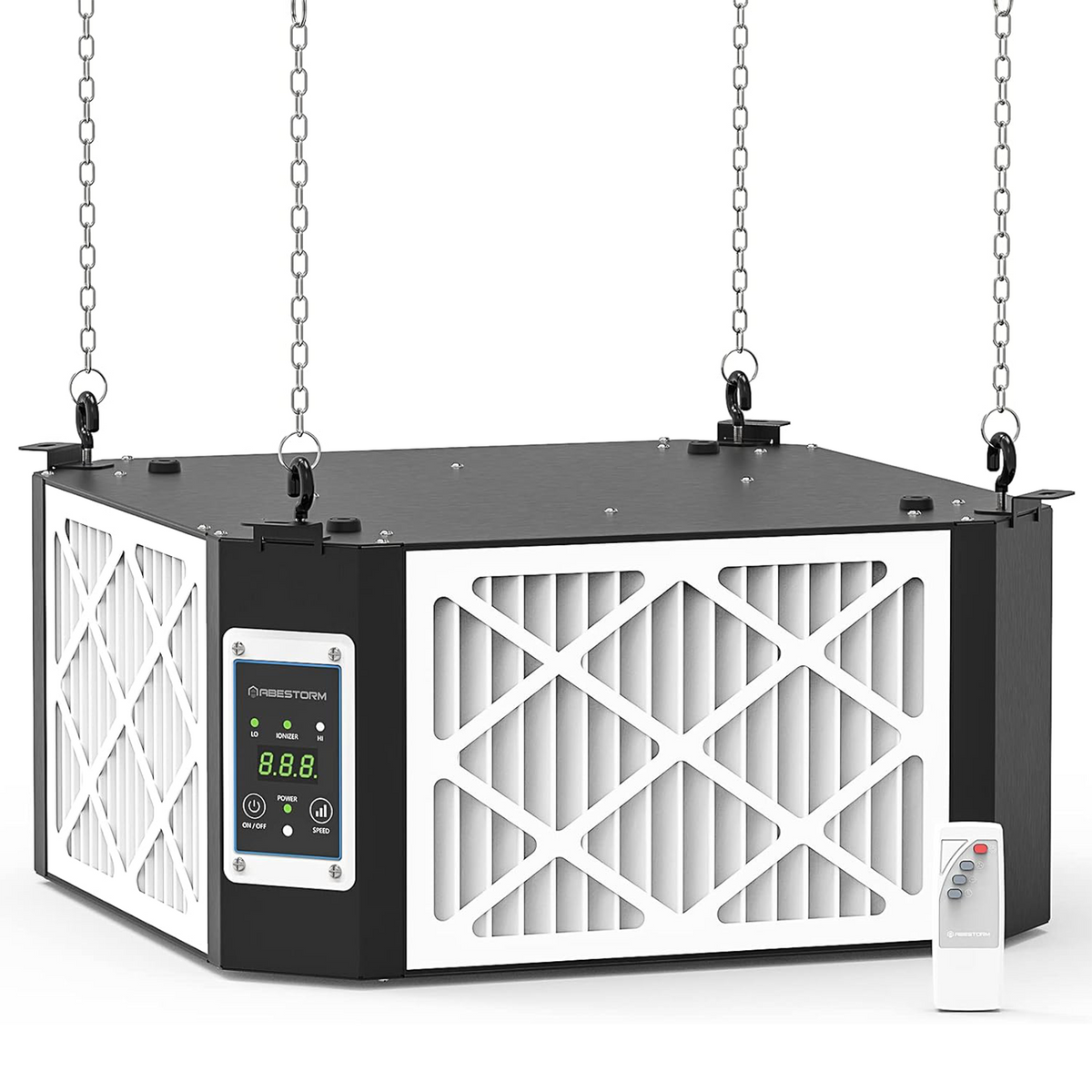
We love this air scrubber! This is the new unit and it's much quieter then other. The filters are easy to find and much cheaper then the big companies. Thank you for making a great product!! Keep up the good work! Thanks again!
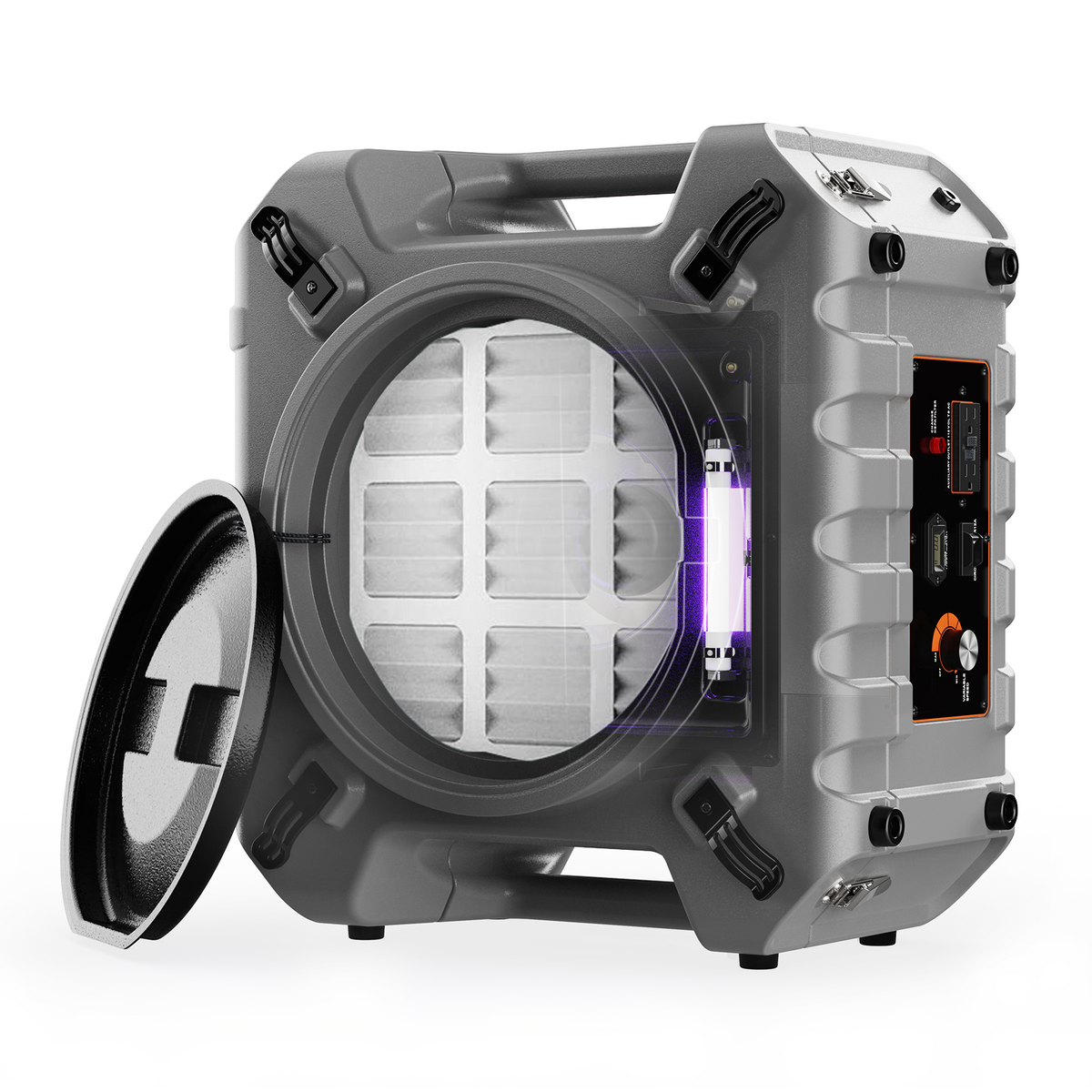
Abestorm 550 CFM HEPA Air Scrubber with 3-Stage Filtration System
Learn More >Helmer
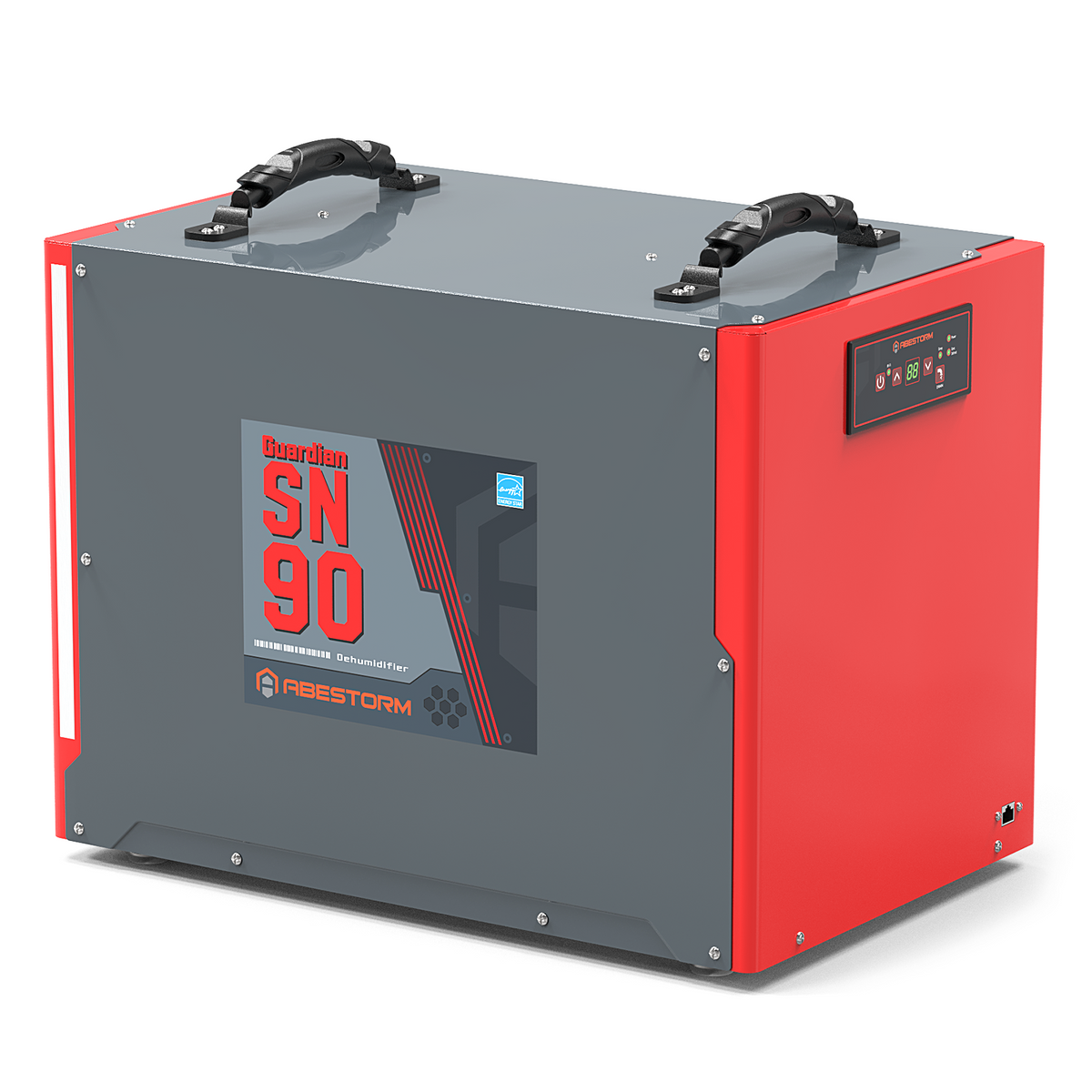
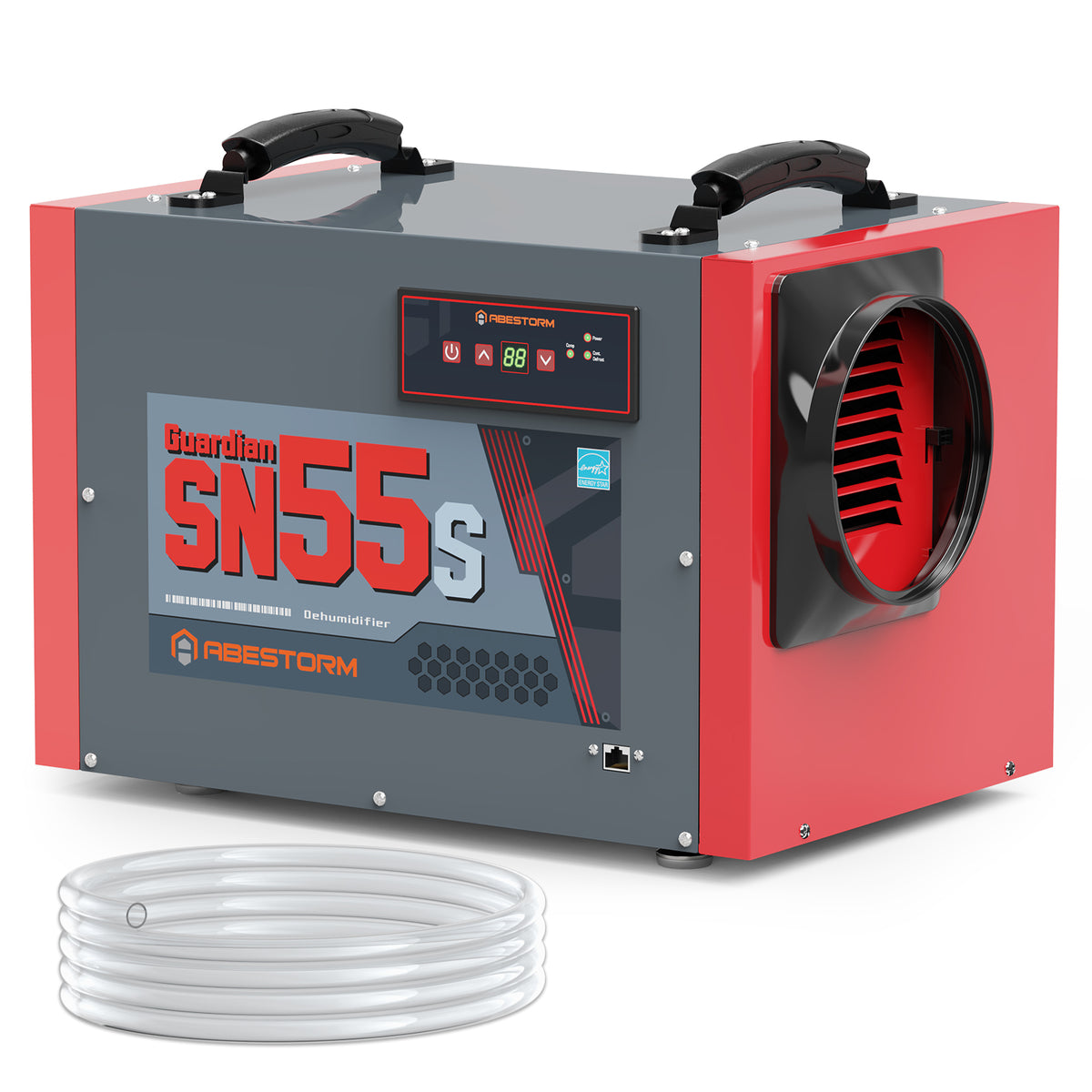
This is a great way to reduce the humidity in our crawl space. It has made an incredible difference in the comfort level of our crawl space and even in the adjacent finished space. I recommend this dehumidifier if you are living in an area with high humidity.
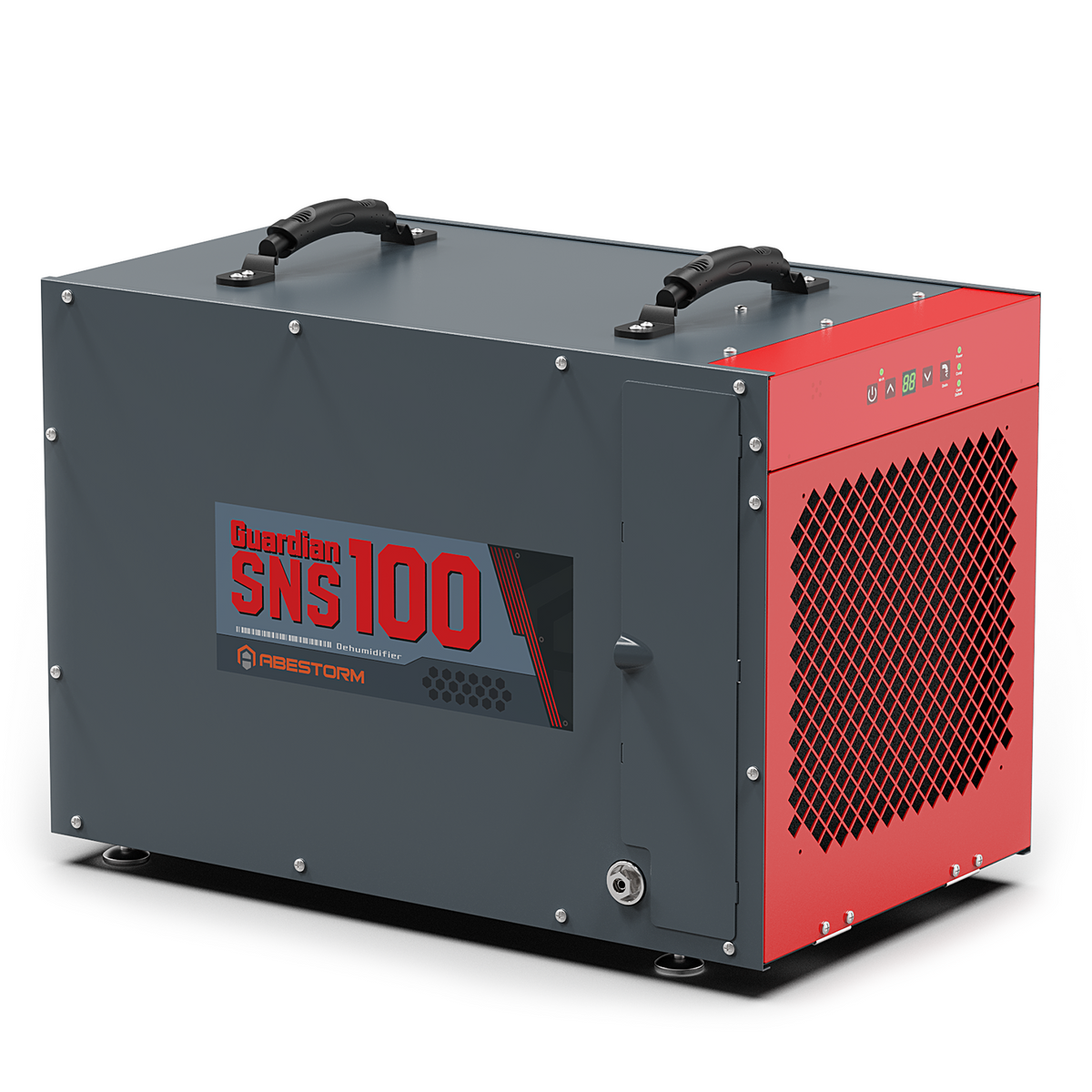
Abestorm 198 Pints Energy Star Dehumidifiers | Guardian SNS90
Learn More >Daryl
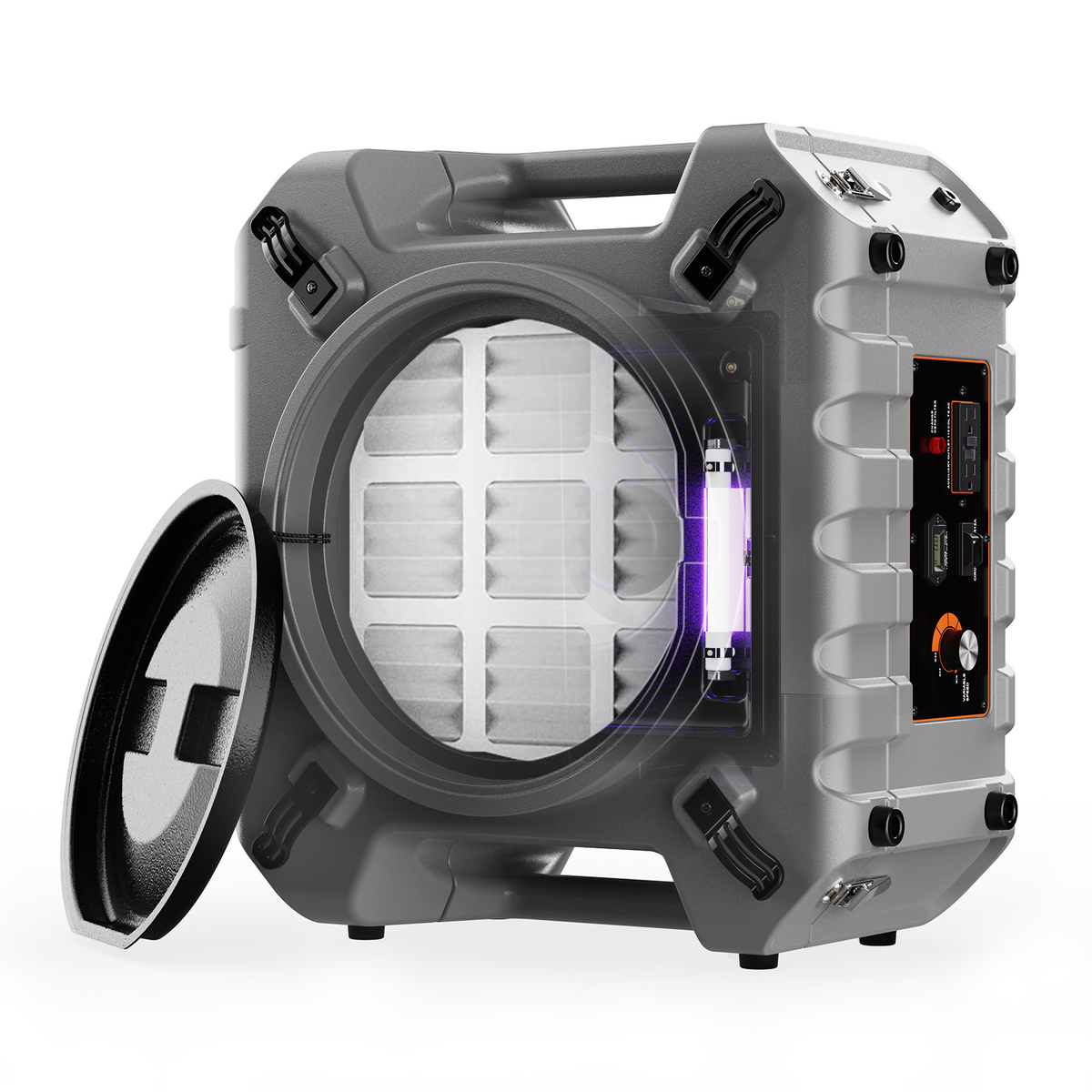
Heavy duty construction. The build quality is exceptional, and you can tell that it's designed to last. The unit is solid, durable and gives me confidence in it's longevity.
Abestorm 360 Degree Intake Air Filtration System Woodworking | DecDust 1350IG
Learn More >Kimberly
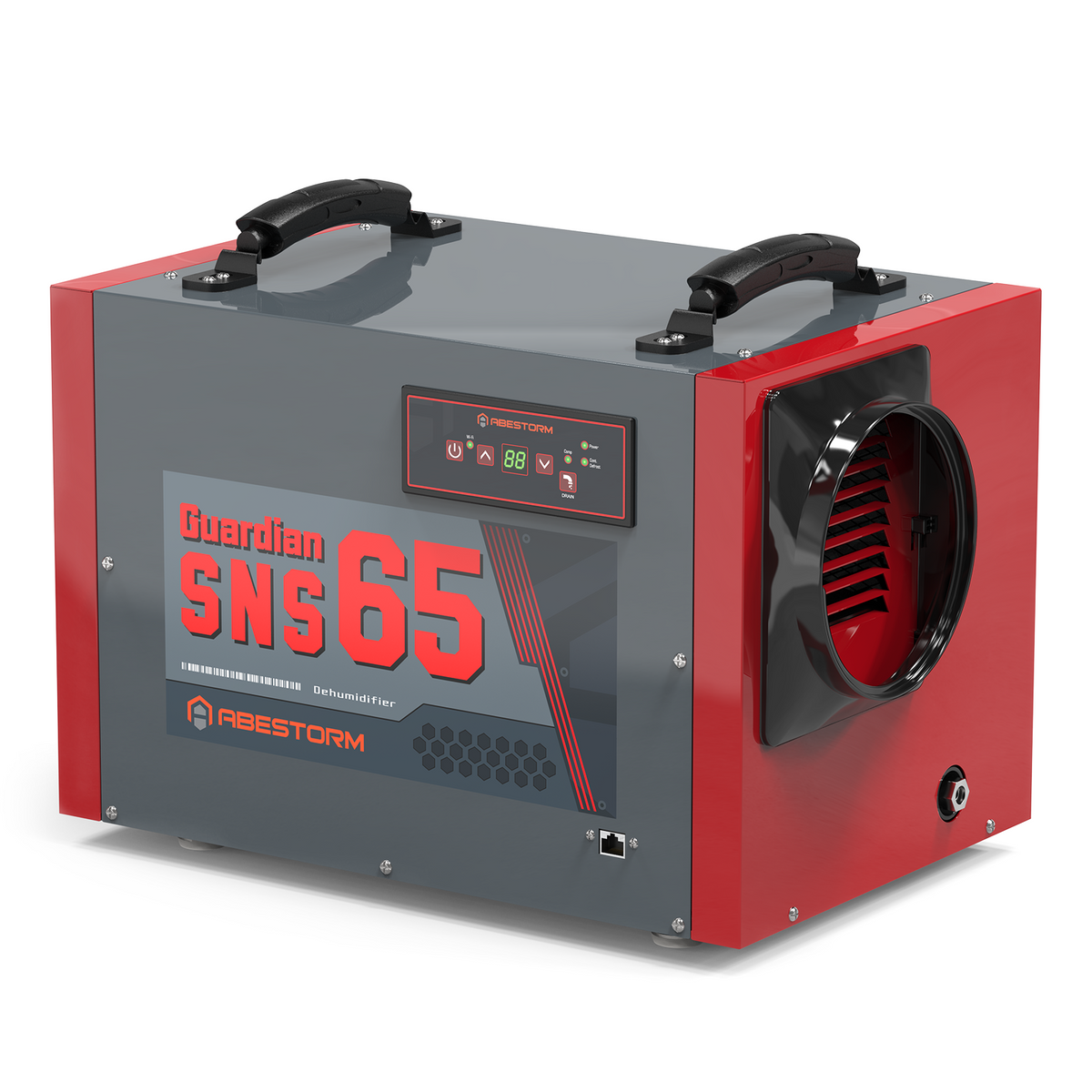
This unit is incredibly impressive! It's quiet, it's efficient, and it's noticeably effective! This product is perfect for multiple occasions of wet craw spaces or emergency cleanup from flooding etc. Very impressive
Abestorm 180 PPD 2,300 Sq.Ft Commercial Dehumidifier with Pump and Drain Hose | Hurricane LGR85
Learn More >Mike
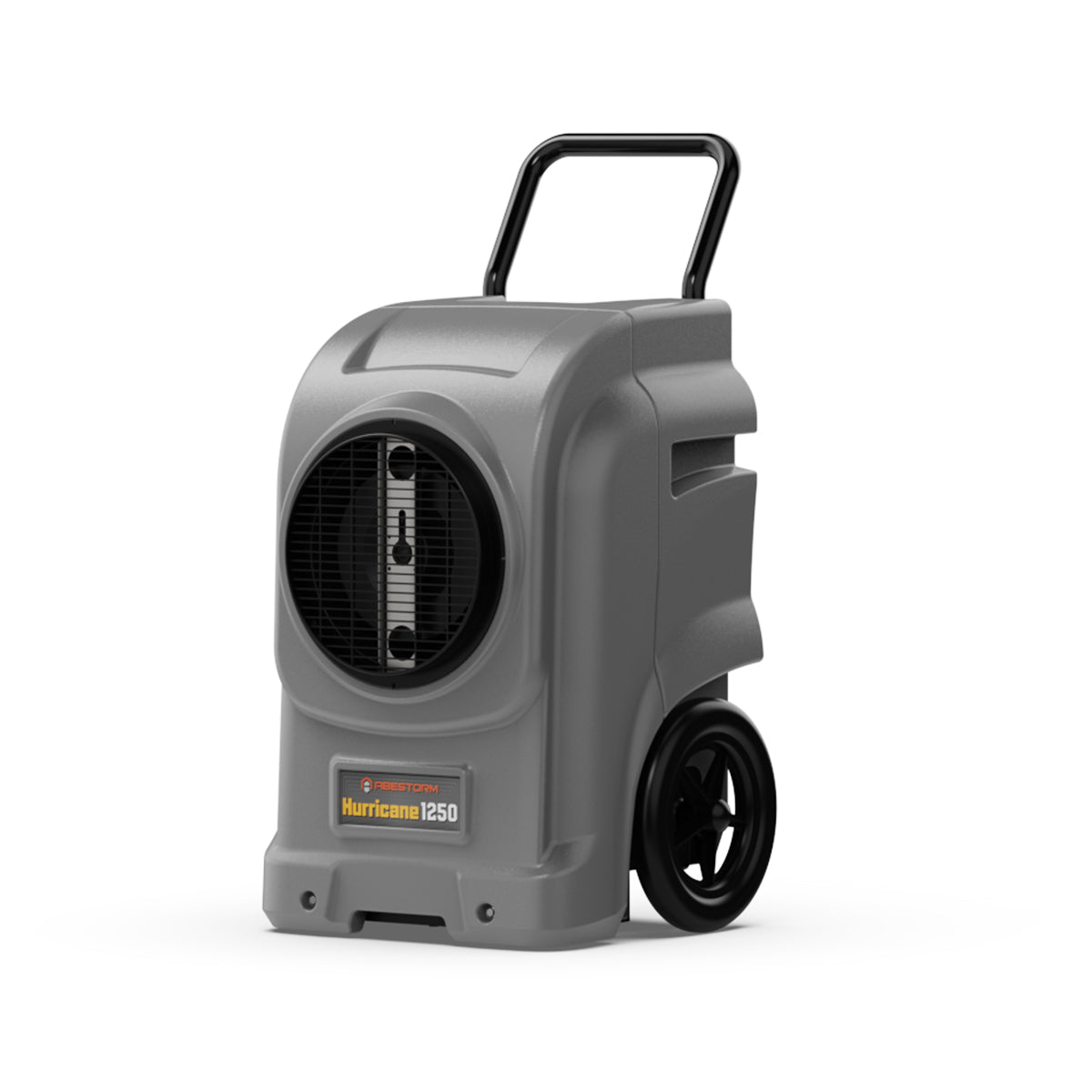
This Abestorm 180 pint dehumidifier is easy to use, and works excellent. Heavy duty shell, commercial grade, very durable, and is perfect for bigger jobs. User friendly control panel with adjustable settings. Remote control and mobile app is an added bonus.
Abestorm 180 PPD 2,300 Sq.Ft Commercial Dehumidifier with Pump and Drain Hose | Hurricane 850
Learn More >David Wright
Used all last summer and fall. Did wonders to driving damp stagnat air from my crawlspace. Easy to install. Kept the box and take it out for winter. Plugged bent opening with block of foam till spring.
Abestorm 260CFM Crawlspace Ventilation Fan | NeatyFresh 260
Learn More >