



Moisture is always an issue in the case of any house. And while you will encounter moisture in older homes, there’s new home moisture as well. It might seem uncomprehensible in the beginning, but the truth is that you will need to keep the moisture levels under control as much as possible. That’s why it makes sense to figure out how to start building moisture control, and doing that accordingly is going to be a crucial aspect. But as expected, it’s totally worth considering, and you will surely appreciate the results.
Why new builds often suffer from high humidity?
There are many reasons why you encounter high humidity levels in new buildings. For example, there’s moisture in building materials, which might not seem problematic at first, but it does add up. Also, construction workers focus on energy efficiency and modern homes have all kinds of things like weather barriers, air sealing and so on. Those things help save energy, but the downside is that you are trapping humidity inside, which could end up being problematic.
Additionally, you could have a HVAC system that’s not yet optimized, and that means the humidity is quite high and it can be rather difficult to keep that under control. Plus, the landscaping and exterior grading could still be settling, in which case water is not draining properly. Needless to say, there can be a whole lot of reasons why you are dealing with moisture problems. Whether it’s a new home or you have post-renovation humidity, clearly you have to tackle those things early on and manage them the best way that you possibly can.

How to monitor humidity after construction?
The great thing here is that you can indeed monitor humidity after construction with pretty good results. With that being said, there are different methods you can use in here, and you can obtain some excellent results when doing so.
- Using a digital hygrometer is a good idea, because it can monitor the humidity levels in a variety of places.
- You can also track the RH levels daily for the first 90 days, as humidity spikes can appear during the night, after rain or when the HVAC unit is out of its regular cycle.
- Then, there are smart home monitoring solutions that include Wi-Fi humidity sensors.
- And of course, you can also check for some early warning signs, as even the mild symptoms can indicate humidity problems. Condensation on windows, musty smells, hardwood cupping, peeling paint, creaking, all of those can be inherently important and a thing to consider.
Early-stage prevention
During the early stages, it can be a very good idea to find effective ways of preventing the moisture buildup, and there are plenty of methods to consider here.
- A very good option is controlled ventilation, where you can use heat recovery ventilation, energy recovery ventilation or even exhaust fans.
- Additionally, you can go the accelerated drying route. You can run the HVAC all the time for around 2-3 weeks, and also use portable fans in the closed-off rooms. Plus, keeping the interiors dry to help with air circulation is important.
- You should also focus on sealing the moisture entry points. These can be gaps around the plumbing penetrations, air leaks near the windows, missing exterior caulking or even slab edges that were not sealed.
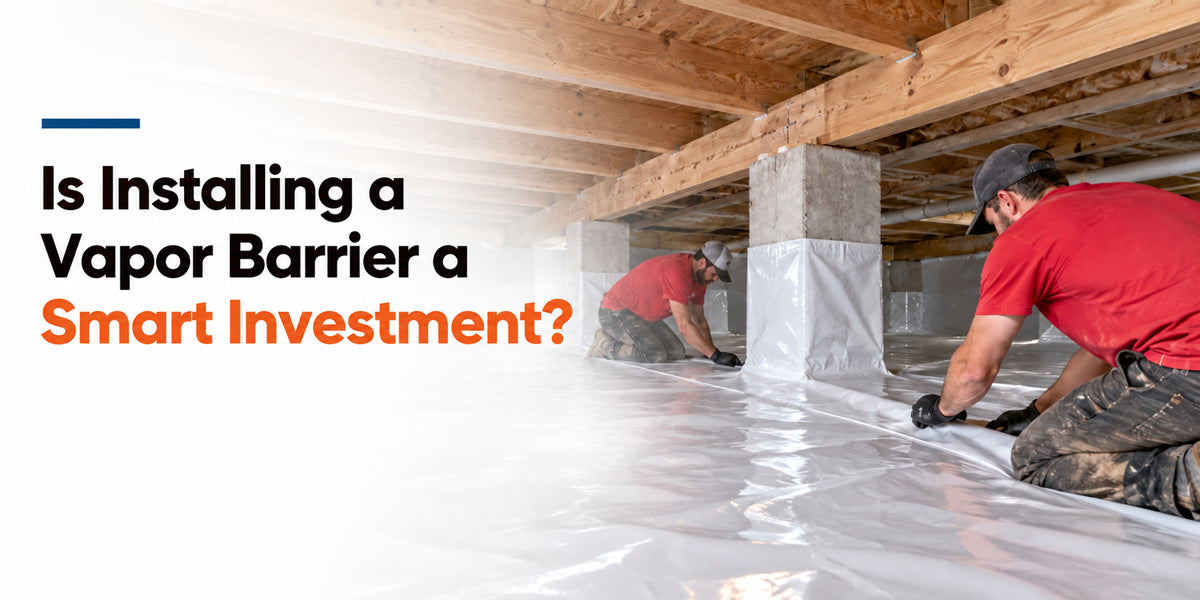
- With that in mind, you can also use vapor barriers as well as good insulation. All these things help immensely, and they will provide a more consistent result, along with extraordinary value every single time. They are great for laundry rooms, bathrooms, crawl spaces or basements as well.
Choosing dehumidifiers for post-renovation drying
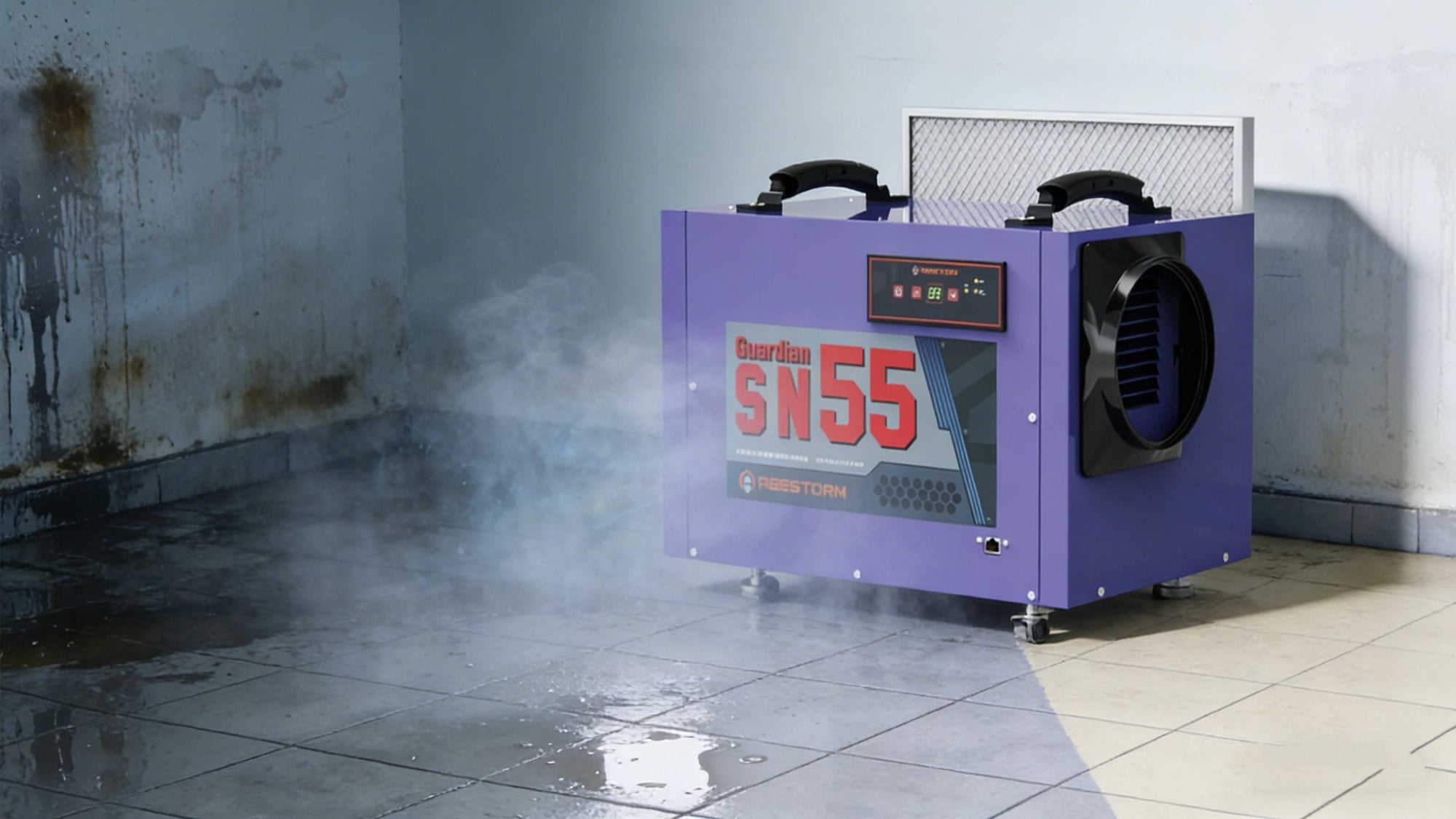
Dehumidifiers are the best option you can use to deal with the post-renovation humidity. As we can imagine, humidity levels can be on the high side, so you must find a way of handling that process and make it as cohesive as it can be. Which is where the need for a good dehumidifier comes into play.
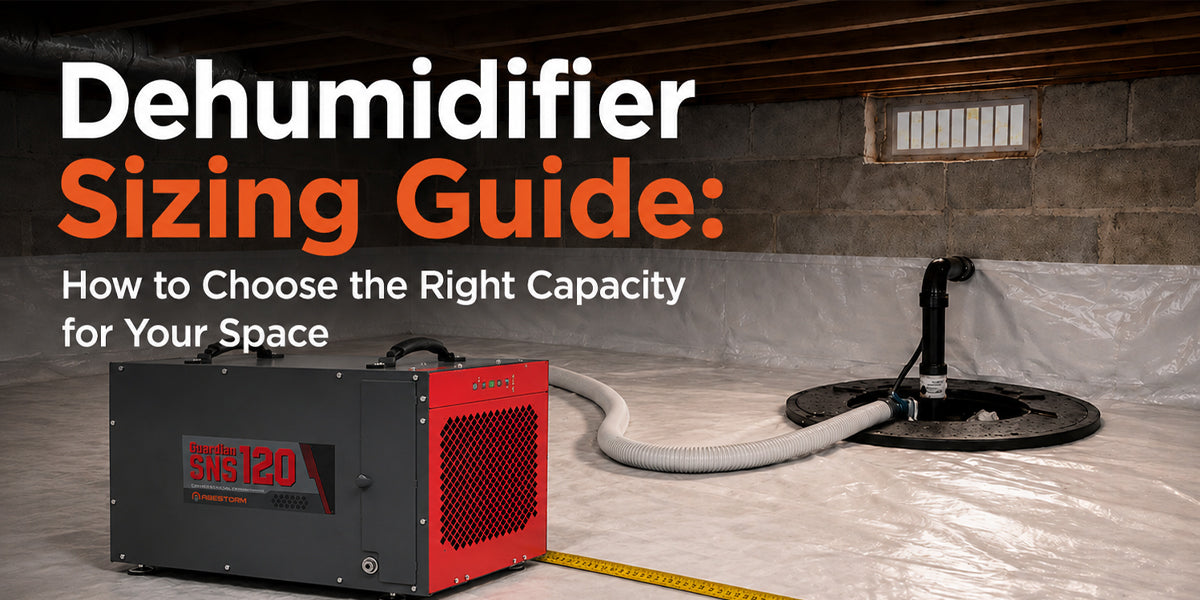
In order to find the right dehumidifier, it makes sense to determine the space size and also the moisture load, where possible. You should also consider features like automatic defrost, integrated humidity control, low temperature operation or continual drainage. Needless to say, a high extraction rate is very much necessary here. And of course, it also makes sense to have adequate placement, you should have it 12 inches away from the wall or other obstructions, if possible.

Common mistakes
A lot of people make mistakes when it comes to humidity in new homes. And these will vary quite a lot, based on the situation at hand. Over-ventilation is an issue, mainly because opening the windows during humid days will bring in even more moisture. Also, undersizing the equipment is also a problem, instead you want to size up, just to be on the safe side as much as possible. Another mistake you can make is to ignore basement moisture, which is going to become quite the issue in the long run.
And to that we can also add other mistakes like turning off the HVAC way too soon, not to mention assuming that the moisture will just go away. It doesn’t. It will still be there in the long run and it can lead to mold, blistering paint, damaged floors, warped wood and many other things similar to that. It just makes more sense to approach this with a true focus on quality and avoiding mistakes is always going to make things better than expected.
Cost-benefit of proactive moisture management
Does it matter if you eliminate new home moisture? Yes, because you can end up saving a lot of money. For example, mold remediation is well over $1500, then we have floor replacement, drywall repairs, cabinet replacement and many others, all of which add up. Preventing these problems by getting a dehumidifier, hygrometer and performing some ventilation upgrades is much cheaper. You will spend around 10 times more for repairs, maybe even more so. That’s why you have to be very careful when it comes to how you manage moisture. Invest in a dehumidifier and the right equipment, as it conveys a much better return on investment!

Shop For Dehumidifier
Abestorm 180 PPD 2,300 Sq.Ft Commercial Dehumidifier with Pump and Drain Hose | Hurricane LGR85
Abestorm 190 PPD 2,600 Sq.Ft Commercial Dehumidifier with Pump and Drain Hose | Hurricane 900
Abestorm 170 PPD 2,100 Sq.Ft Commercial Dehumidifier with Pump and Drain Hose | Hurricane 800
Abestorm 180 PPD 2,300 Sq.Ft Commercial Dehumidifiers with Pump and Drain Hose | Hurricane 85P