

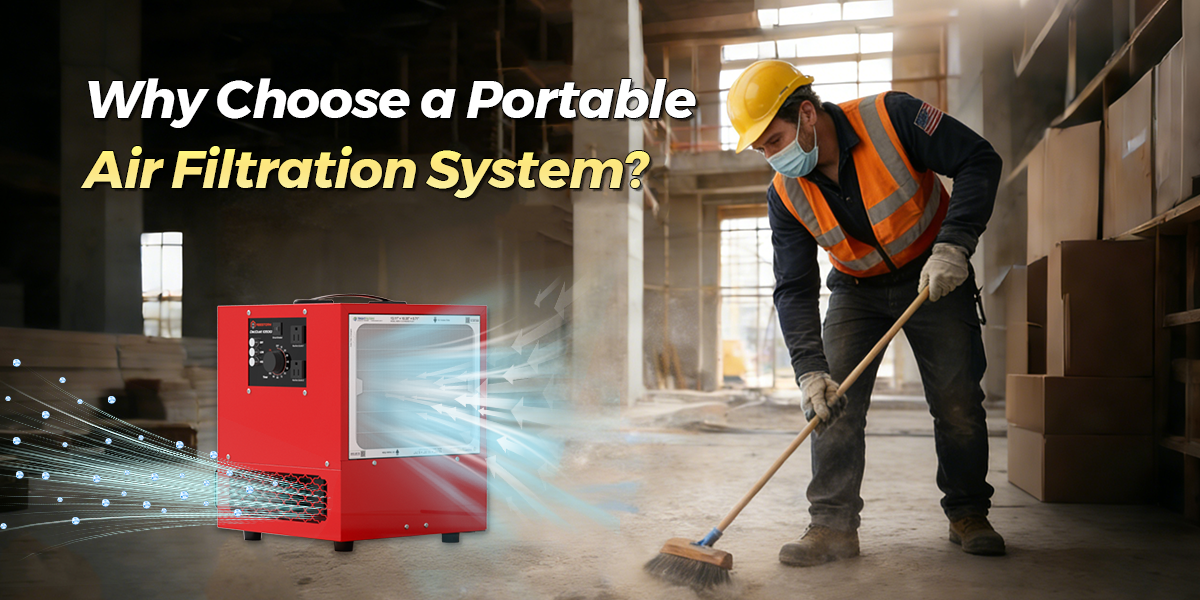
Are you concerned about indoor air quality after smoke or fire? The blaze or fumes give off carbon monoxide, volatile organic compounds, fine particles and nitrogen dioxide in your surrounding air.
About 2.1 billion people in the world use traditional fires or outdated cockstoves, biomass and coal which can affect the air quality.
Smoke debris, ash and soot accumulate in your home and create an uneasy and hazardous setting inside your home.
In this article, you'll explore how to restore the air quality after the smoke or fire. You'll also discover the chemicals which are released by the fire.
The Hidden Air Quality Risks After Fires and Smoke
Fires release tiny particles and toxic gases which remain in the environment for a long time. These pollutants are invisible and easy to ignore.
Research shows that smoke from large fires degrades regional air quality. The concentration of ozone and PM2.5 is higher on smoke-filled days. Long-term U.S. data confirm that wildfire smoke elevates ozone and particle levels.
The air pollutants can be present in the air even if the air smells normal. Smoke particles linger in air for days and they can enter homes through doors, windows and ventilation systems. They accumulate in your home and move around again when they disturbed.
The high humidity in an environment can cause mold allergies in people and also damages your home's structure.
Smoking creates unpleasant smells in homes which are uncomfortable for inhabitants. This smell can even be permeated by your furniture, walls and permeable materials.
People with asthma, allergies or heart conditions are more sensitive to the air contaminants. Even healthy individuals may encounter coughing or headaches.
Poor air quality can persist in your surroundings without proper cleanup. Ventilation alone is not always sufficient. You need air filtration and cleaning after exposure to smoke.
Common Indoor Air Pollutants Caused by Fires and Smoke
The fire or smoke give off air contaminants that affect the indoor air quality and contribute to serious medical conditions. Here are some of the air pollutants which are released by fire and smoke:
1. Carbon Monoxide
Carbon monoxide is colorless and odorless glass which is released by wood burning, kerosene heater and charcoal burning. This gas can cause headache, fatigue, poor vision and heart diseases. The very high level exposure of this gas can cause death.
Research shows that low-level carbon monoxide exposure can impair visual perception, attention and neurobehavioral performance, though earlier studies likely overstated these effects. More recent evidence indicates that measurable performance declines generally occur only when carboxyhemoglobin levels reach approximately 15–20%, rather than at 5%.
2. Volatile Organic Compounds
The smoke or fire also emit volatile organic compounds which are foul smelling compounds. These compounds gas-off for weeks or months. This creates unpleasant smells which can linger in your environment for weeks.
Research shows that indoor air quality can cause health and environmental issues. Many contaminants such as volatile organic compounds (VOCs) occur at elevated concentrations in your living spaces than the outer environment. Extended exposure to VOCs can cause minor discomfort to severe illnesses such as cancer.
3. Particulate Matter
The fire and smoke produce hazardous particles such as soot, burned remains and other fire byproducts. These compounds lodge deeply into your lungs leading to lung infections and cardiovascular problems. These particles exacerbate the pre existing health conditions like asthma.
4. Nitrogen Dioxide
This gas does not have any color but you can recognize by its sharp odor. It is released by gas stoves, wood and kerosene burning, charcoal and vehicles. The long term exposure of this gas results in medical conditions such as lung damage and respiratory infections.
5. Polycyclic Aromatic Hydrocarbons
Tobacco smoking, wood burning and kerosene heaters give off these compounds. These hydrocarbons can cause nose, throat and eye irritation. If these compounds are not controlled, it can lead to lung, stomach, skin and bladder cancer.
Why Ventilation Alone Isn’t Enough: Common Mistakes
A lot of homeowners think that ventilation is enough to remove air contaminants. Ventilation is the process of removing indoor air by natural or mechanical means. Natural ventilation means to open the door and windows to move the air due to air pressure while mechanical ventilation occurs by the fans or blowers.

Ventilation is efficient to remove carbon dioxide but it's not effective for other contaminants. Here are some common mistakes which you should avoid for proper air filtration:
- Many people think that ventilation removes the indoor air completely which can remove air contaminants from smoke and fire. But it's not right as ventilation mixes up the old and new air. It dilutes the contaminants rather than removing them completely.
- Most of the owners ignore that they can inhale the contaminants before moving out. The air pollutants spread more easily in enclosed areas.
- Mechanical ventilation removes the smoke and dust from the source. But increasing the air change rate also heightens the exposure of pollutants to connected rooms.
- The only way to remove the air pollutants through the ventilation is to replace the outside air with indoor air but the outdoor air is not contaminants free. The outer air doesn't have any active viruses but it contains a high concentration of pollutants and pollen.
You need an efficient HEPA filter to remove the dust, smoke and air contaminants from the air. Ventilation alone can't give you healthy air.
Four Key Steps to Restore Air Quality with Air Filtration Systems

The post-fire air cleanup removes fine smoke particles. There are four main steps to restore indoor air after smoke.
Here are the detailed four key steps to clean air in your living spaces:
1. Remove Contaminants
You must clean your inside areas as it prevents the infiltration of volatile organic compounds. You can use non-toxic cleaning to get rid of residue, soot and debris from your home.
Don't forget to cover your face while post fire cleanup. This will save you from airborne particles during the cleaning process.
You can avoid smoking indoors, reduce gas and open flame use and choose low VOC and fragrance free products in future. This will prevent accumulating the air pollutants in your home.
2. Air Filtration
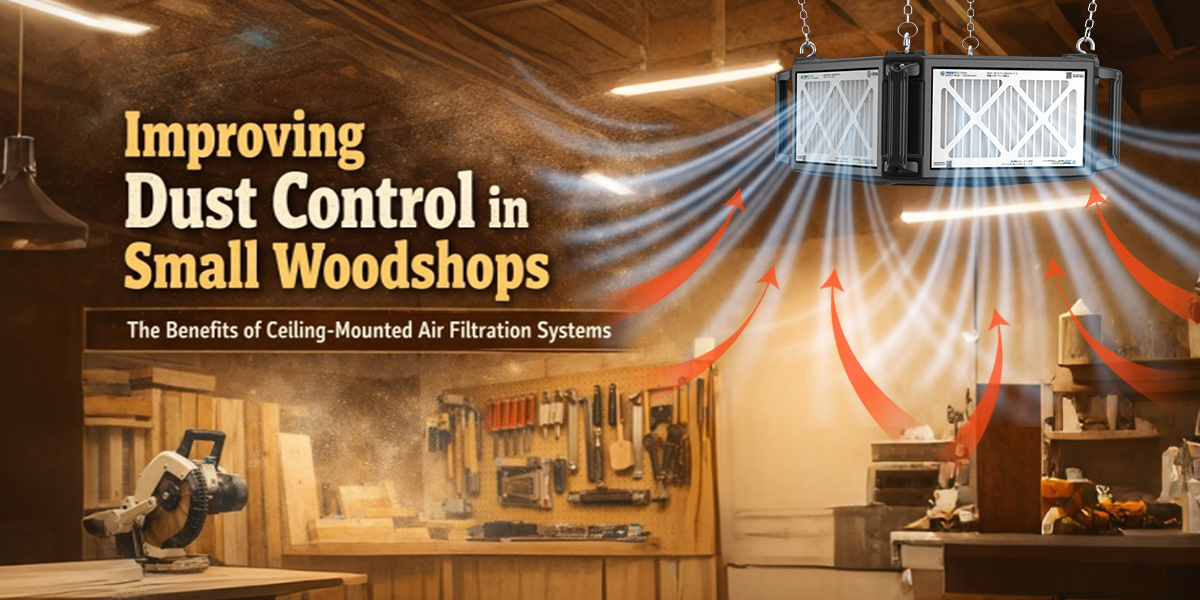
The air pollutants remain in the surrounding area even after the cleanup. These air pollutants can cause severe health conditions if not not controlled. You need to run an air filter with HEPA filter for ambient air filtration. The air filter traps all the air pollutants and restores indoor air after smoke.
Here are some of the benefits of using air filter in your home:

Do you want the best indoor air filtration after wildfire smoke? Abestorm 750 CFM HEPA S1 air scrubber uses UV-C technology to remove air pollutants and residue caused by smoking. This air scrubber has a pre-filter and true HEPA filter.
3. Dehumidification
Outer environment moisture, showering and cooking can increase humidity in your home which affects your air quality especially after wild fire. Airborne moisture even spreads diseases as it carries viruses and germs. The high humidity also increases mold growth.
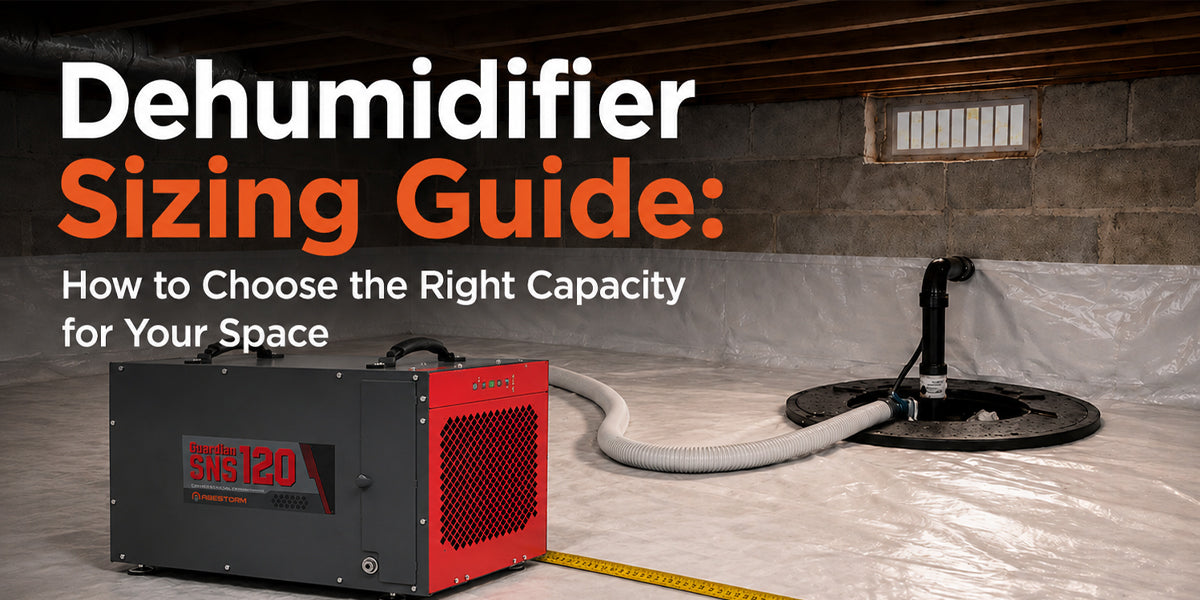
You can use the air purifier system or a dehumidifier to maintain moisture in your home. Abestorm 198 PPD Crawl Space Dehumidifier removes 90 pints per day under AHAM conditions and 198 pints per day under saturated conditions.
4. Continuous Air Quality Management
Once you have cleaned your home, you should prevent further pollution to maintain ambient air filtration. Don't burn the fireplace and candles in your home as it can release particulate matter in your surroundings. You shouldn't use strong aerosol sprays and introduce sustainable cooking and heating techniques in your home.
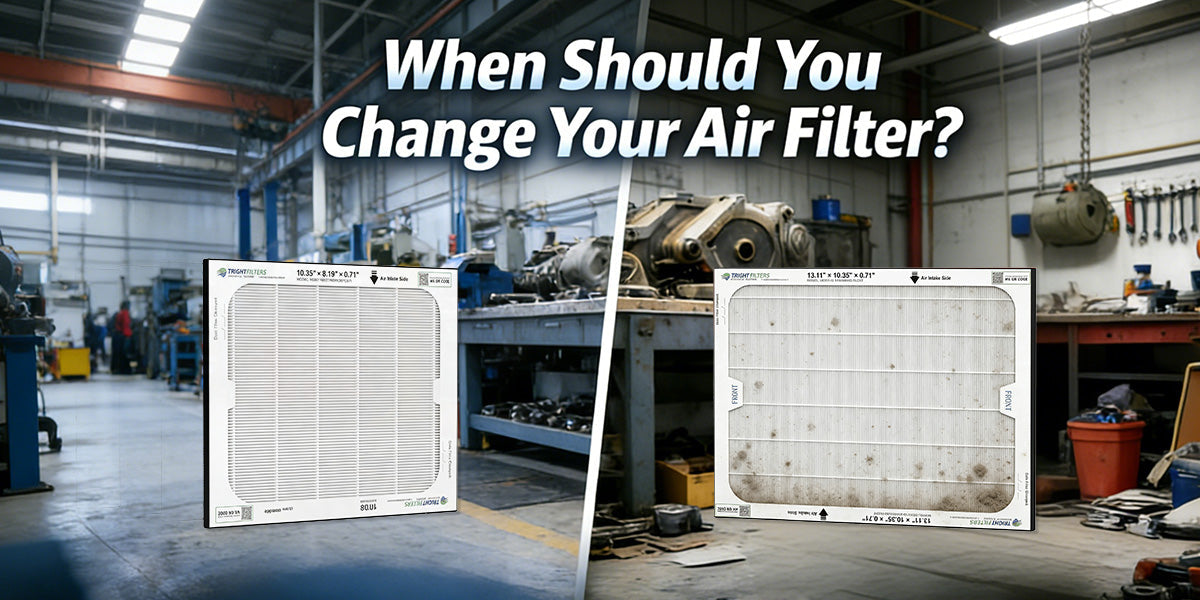
Check your air filter regularly and ensure timely replacement for ambient air filtration.
Conclusion
Fire and smoke give off different hazardous compounds such as residue, soot, volatile organic compounds and gaseous pollutants. These air pollutants cause lung infections, headaches and cardiac problems.
The ventilation alone is not enough to remove air pollutants. You should first remove contaminants then run air filters and dehumidifiers to restore the indoor air quality.
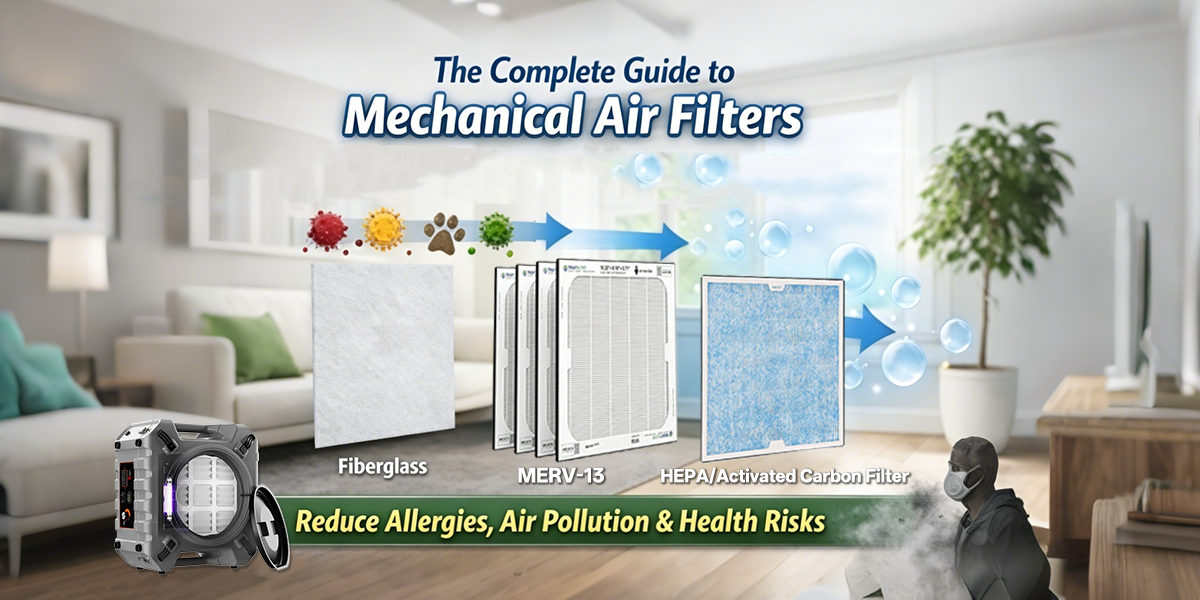
Do you want the best air filter to remove pollutants and dust after fire or smoke? Abestorm 550 CFM HEPA V3 Air Scrubber uses HEPA filters and activated carbon filters to improve various impurities in the air.

Shop For Dehumidifier
Abestorm 180 PPD 2,300 Sq.Ft Commercial Dehumidifier with Pump and Drain Hose | Hurricane LGR85
Abestorm 190 PPD 2,600 Sq.Ft Commercial Dehumidifier with Pump and Drain Hose | Hurricane 900
Abestorm 170 PPD 2,100 Sq.Ft Commercial Dehumidifier with Pump and Drain Hose | Hurricane 800
Abestorm 180 PPD 2,300 Sq.Ft Commercial Dehumidifiers with Pump and Drain Hose | Hurricane 85P